
If you’ve been trying to lose fat at home but feel like every approach requires starving yourself, cutting out entire food groups, or spending hours working out — you’re not alone.
Most people have tried at least one extreme diet. The ones that promise dramatic results in 30 days. The ones that make you miserable for weeks before you give up and feel worse than when you started. Sound familiar?
Here’s what nobody tells you: the most effective way to lose fat at home has nothing to do with radical diets. It’s about making small, consistent changes that your body can actually sustain — and that you can actually live with.
This guide breaks down exactly how to lose fat at home without turning your life upside down.
Why Radical Diets Fail Every Time
Before we get into what actually works, let’s talk about why extreme approaches always backfire.
When you drastically cut calories, your body doesn’t just burn fat — it slows your metabolism to compensate. You lose weight initially, feel exhausted and irritable, and the moment you go back to eating normally, the weight comes back faster than it left.
This cycle is so common it has a name: yo-yo dieting. And according to Healthline, repeated cycles of extreme dieting can actually make it harder to lose fat over time — damaging your metabolism and increasing cravings.
The solution isn’t another extreme plan. It’s a smarter, more sustainable approach.
Try This: Before starting any new eating or exercise habit, write down one specific reason why you want to lose fat at home. Keep it visible. On hard days, that reason is what keeps you going — not willpower alone.
How to Lose Fat at Home — The Real Strategy
1. Create a Modest Calorie Deficit (Without Starving)
Fat loss comes down to one fundamental principle: burning more calories than you consume. But “deficit” doesn’t mean starvation — it means eating slightly less than your body needs to maintain its current weight.
A deficit of 300-500 calories per day is the sweet spot. It’s enough to produce consistent, meaningful fat loss without triggering your body’s starvation response.
You don’t need to count every calorie obsessively. Simple swaps make a remarkable difference:
- Swap sugary drinks for water or black coffee
- Choose grilled over fried
- Reduce portion sizes by 20% instead of eliminating meals
- Add vegetables to every meal — they fill you up for almost no calories
Try This: For one week, track everything you eat using a free app like MyFitnessPal. Most people are genuinely shocked by how many calories come from drinks and snacks they barely notice. Awareness alone creates powerful change.
2. Prioritize Protein at Every Meal
If there’s one nutrition change that delivers the most dramatic results for people trying to lose fat at home, it’s eating more protein.
Protein does three powerful things simultaneously:
It keeps you full longer — Protein is the most satiating macronutrient. A high-protein breakfast means fewer cravings by mid-morning and less overeating at lunch.
It preserves muscle mass — When you’re in a calorie deficit, your body can break down muscle for energy. Adequate protein prevents this, ensuring the weight you lose is fat — not muscle.
It burns more calories to digest — Your body uses more energy to process protein than carbs or fat. This is called the thermic effect of food, and it gives your metabolism a natural boost.
Aim for a palm-sized portion of protein at every meal:
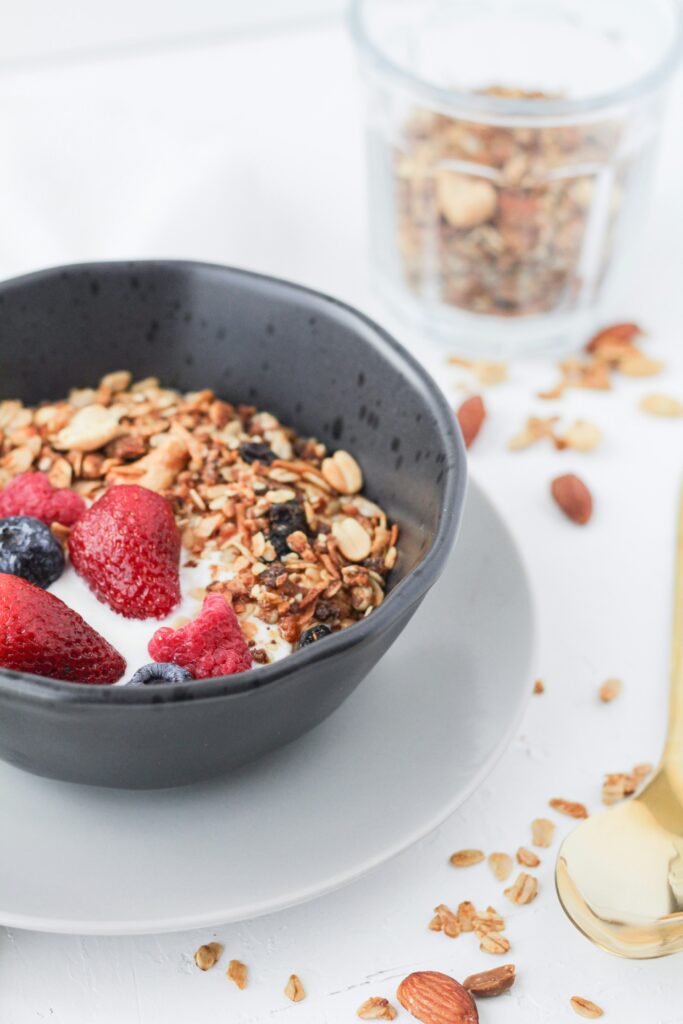
- Eggs, Greek yogurt, or cottage cheese at breakfast
- Chicken, tuna, or turkey at lunch
- Lean beef, salmon, or tofu at dinner
Try This: Add one extra source of protein to your breakfast tomorrow. If you normally eat toast, add two eggs. If you have yogurt, choose Greek yogurt with double the protein. This single change can reduce your total daily calorie intake by 200-300 calories naturally.
3. Move More Throughout the Day — Not Just During Workouts
One of the most underrated strategies to lose fat at home is increasing your daily movement beyond structured workouts.
This is called NEAT — Non-Exercise Activity Thermogenesis. It’s all the calories you burn through everyday movement: walking, standing, cleaning, cooking, fidgeting. And for most people, NEAT burns more calories daily than any workout.
Simple ways to increase NEAT at home:
- Take a 10-minute walk after every meal
- Stand while working instead of sitting
- Do bodyweight exercises during TV commercials
- Take the stairs whenever possible
- Set a timer to stand and stretch every hour
For a structured workout plan to complement your daily movement, check out our full body home workout guide — it takes less than 45 minutes and requires zero equipment.
Try This: Set a daily step goal of 8,000 steps. You don’t need a fancy tracker — your phone counts steps automatically. Most people walking 8,000 steps daily burn an extra 300-400 calories without any structured exercise.
4. Add Strength Training to Burn Fat Faster
Cardio burns calories during the workout. Strength training burns calories during AND after the workout — sometimes for up to 48 hours after your session ends.
This is called the afterburn effect (EPOC — Excess Post-Exercise Oxygen Consumption), and it’s one of the most powerful tools for people trying to lose fat at home.
You don’t need heavy weights to get this benefit. Bodyweight exercises like push-ups, squats, and lunges trigger the same response when done with proper intensity.
As you build muscle through strength training, your resting metabolic rate increases — meaning you burn more calories even while sitting on the couch.
For the best home exercises to accelerate fat loss, check out our beginner’s home workout guide.
Try This: Add 3 strength training sessions per week to your routine. Each session doesn’t need to be longer than 30 minutes. The consistency matters far more than the duration — showing up 3 times a week beats one exhausting 2-hour session every weekend.
5. Fix Your Sleep — It’s More Important Than Your Diet
This one surprises most people: poor sleep is one of the leading causes of stubborn fat that won’t budge — even when your diet and exercise are on point.
When you’re sleep-deprived, your body produces more ghrelin (the hunger hormone) and less leptin (the fullness hormone). The result? You’re hungrier all day, crave high-calorie foods, and have less willpower to resist them.
Studies show that people who sleep less than 7 hours per night consistently consume more calories the following day — often 300-500 extra calories without realizing it.
7 to 9 hours of quality sleep per night isn’t a luxury when you’re trying to lose fat at home. It’s a requirement.
Simple ways to improve sleep quality:
- Go to bed and wake up at the same time every day
- Avoid screens for 30 minutes before bed
- Keep your bedroom cool and dark
- Avoid caffeine after 2 PM
For more strategies on building healthy daily habits that support fat loss, read our guide on simple healthy habits for more energy.
Try This: Set a consistent bedtime for the next 2 weeks — even on weekends. Most people notice a dramatic improvement in energy, cravings, and mood within 10 days of fixing their sleep schedule.
6. Manage Stress Before It Manages You
Chronic stress is one of the most overlooked barriers to fat loss — and one of the most powerful.
When you’re stressed, your body releases cortisol — a hormone that signals your body to store fat, particularly around the belly. High cortisol also increases cravings for high-sugar, high-fat comfort foods and makes emotional eating almost inevitable.
You can’t eliminate stress entirely. But you can manage it effectively:
- Exercise — Even a 20-minute walk dramatically reduces cortisol levels
- Breathwork — 5 minutes of deep breathing activates your parasympathetic nervous system and lowers stress hormones
- Journaling — Writing down your thoughts before bed reduces mental load and improves sleep quality
- Limiting news and social media — Digital stress is real and significantly impacts cortisol levels
Try This: Add 5 minutes of deep breathing to your morning routine. Inhale for 4 counts, hold for 4, exhale for 6. Do this before checking your phone. It sets a calm, focused tone for the entire day — and costs you nothing.
7. Be Patient — Real Fat Loss Takes Time
This is the part most people don’t want to hear, but it’s the most important truth about trying to lose fat at home.
Healthy, sustainable fat loss happens at a rate of 0.5 to 1 pound per week. That might sound slow — but over 3 months, that’s 6 to 12 pounds of actual fat lost and kept off permanently.
Compare that to a radical diet that drops 10 pounds in 2 weeks — mostly water weight and muscle — only to regain it all within a month.
The goal isn’t to lose weight as fast as possible. The goal is to lose fat and never find it again.
Try This: Instead of weighing yourself daily, take measurements and progress photos every 2 weeks. The scale fluctuates dramatically based on water retention, hormones, and food weight. Photos and measurements show real progress that the scale often hides.
The Bottom Line
You don’t need a radical diet or a punishing workout schedule to lose fat at home. You need a modest calorie deficit, adequate protein, consistent movement, strength training, quality sleep, and stress management.
None of these are extreme. All of them work. And unlike crash diets, they work permanently.
Start with one or two changes from this list. Do them consistently for 30 days. Then add more. That’s the real secret to losing fat at home — and keeping it off for good.
Which strategy are you starting with? Let us know in the comments below!
As an Amazon Associate, we earn from qualifying purchases.

Pingback: 5 Amazing Ways to Lose Belly Fat for Perfect Results